
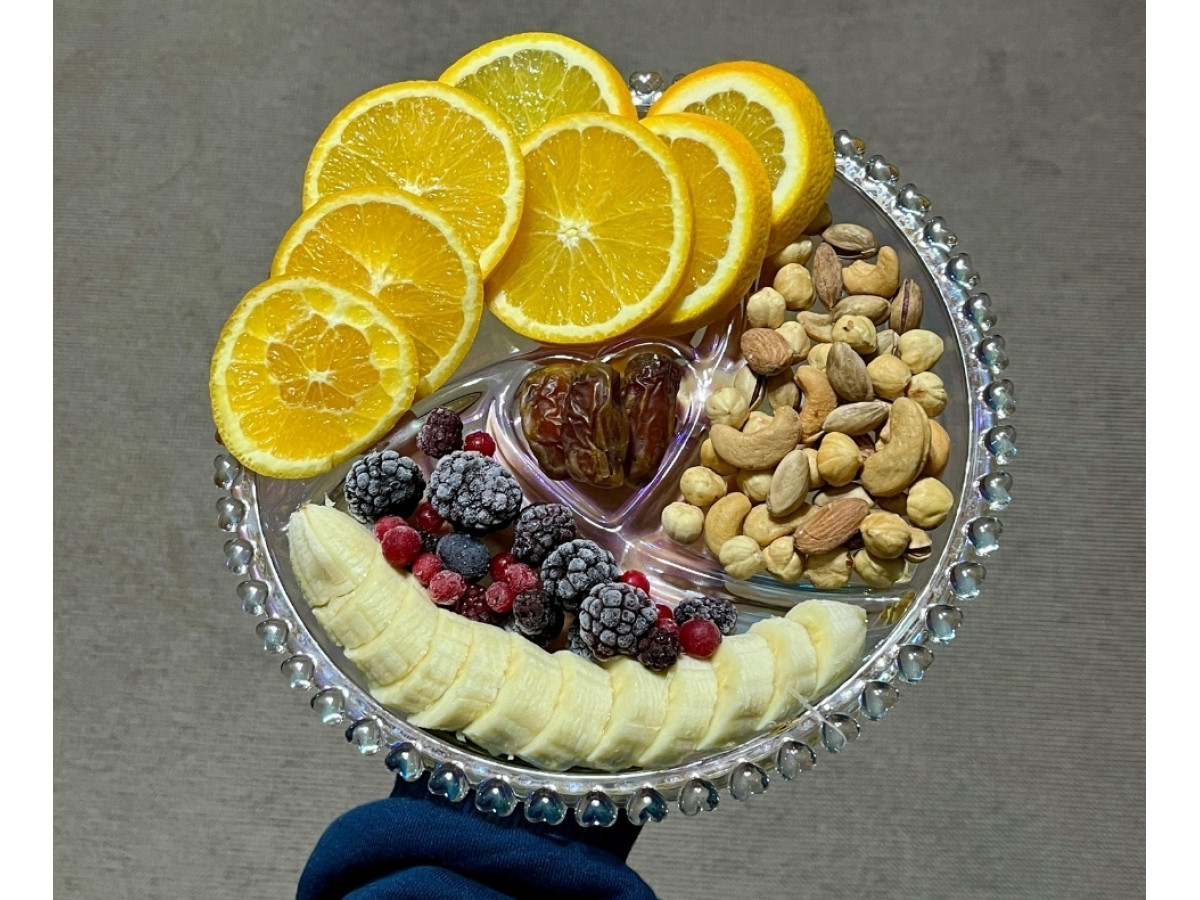
Vegan sweets are increasingly appearing in everyday diets — not only among people who follow a plant-based lifestyle. They are often chosen as an alternative to traditional desserts, but the label “vegan” does not automatically guarantee a balanced composition. To make an informed choice, it is important to understand what stands behind this format.
What Does “Vegan Sweets” Mean?
Vegan sweets are products that contain no ingredients of animal origin: milk, butter, eggs, gelatin, or honey. Instead, they use plant-based alternatives — nuts, seeds, grains, plant fats, and sweeteners.
This defines the ethical and dietary aspect of the product, but it does not fully describe its nutritional value.
Why Ingredient Composition Matters
Vegan sweets can vary significantly in composition. Some are based on whole-food ingredients, while others rely on syrups, refined fats, and sweeteners. That is why it is important to look not only at the absence of animal components, but also at the overall logic of the recipe.
The ingredient list answers key questions:
-
where the sweetness comes from;
-
what types of fats are used;
-
whether the product contains fiber or protein;
-
whether it functions as a dessert or a nourishing snack.
Sources of Sweetness in Vegan Products
In vegan sweets, sweetness is most often created by:
-
dried fruits;
-
plant-based syrups;
-
concentrated fruit ingredients.
These components are not problematic by themselves, but it matters whether they dominate the formula. If a sweet ingredient appears at the top of the ingredient list, the product is essentially closer to a dessert than to a snack.
Fats: Plant-Based Does Not Automatically Mean Better
In vegan sweets, fats are always plant-based, but this does not mean they are equally desirable for daily consumption.
Fats with higher nutritional value usually come from:
-
nuts;
-
seeds;
-
cocoa products.
Refined vegetable oils, on the other hand, are often used for technological purposes. They do not add significant nutritional value and may affect the overall balance of the product.
Protein and Fiber in Vegan Sweets
One of the challenges of plant-based sweets is their often low protein content. That is why products are especially valuable when they:
-
include nuts, seeds, or legumes;
-
contain fiber from grains or fruit;
-
offer more than just sweetness.
Such sweets work better as part of a snack and are less likely to cause short-term energy spikes.
Who Are Vegan Sweets Suitable For?
Vegan sweets can be appropriate:
-
for people who consciously avoid animal products;
-
as an alternative to traditional sweets;
-
in everyday diets when the composition is balanced;
-
for children and adults who aim to reduce refined sugar intake.
In these cases, it is important to evaluate the product not by the label, but by the role it plays in overall nutrition.
For everyday choices, it can be helpful to look at vegan products within the vegan products category, where plant-based ingredients are combined with a thoughtful formulation.
Common Mistakes When Choosing
-
assuming any vegan product is automatically healthy;
-
ignoring the amount of syrups and fats;
-
using sweets as a main snack;
-
overlooking the overall dietary context.
Summary
Vegan sweets are not about perfection, but about conscious choice. They can be part of a balanced diet when they are based on whole ingredients and are not overloaded with sweet components.
As with any sweets, composition, portion size, and context play the decisive role. These factors determine whether a vegan dessert is simply a treat — or a meaningful alternative in everyday nutrition.


Write a comment