
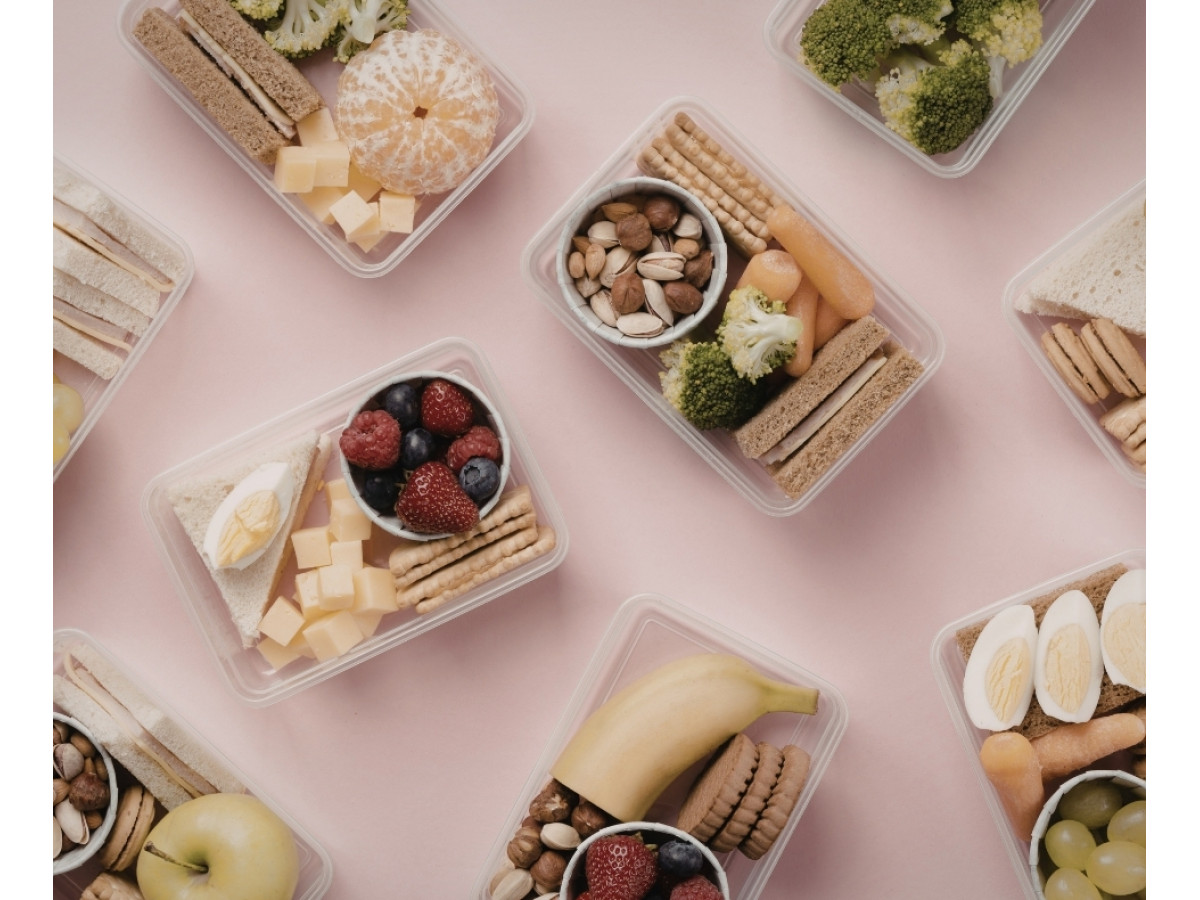
The appropriateness of snacks depends on your daily routine, activity level, and individual needs. In some situations, they can be beneficial, while in others they may interfere with a balanced eating pattern.
Snacks are appropriate when more than 4–6 hours pass between main meals, during high physical activity or regular training, and when a person experiences clear physical hunger. A small, balanced snack helps maintain stable energy levels, prevent sharp blood sugar fluctuations, and reduce the risk of overeating at the next meal. Snacks may also be useful for those aiming to increase calorie intake, for example during a muscle-gain phase.
At the same time, snacks should be limited if they arise not from physical hunger but from boredom, stress, or the habit of “eating something.” Frequent consumption of sweets and ultra-processed foods between meals can lead to excess calories and disrupt dietary balance. It is also undesirable when snacks consistently replace полноценous meals, as this complicates the formation of a stable eating routine. If the goal is weight loss, it is important to control both the quantity and quality of snacks to avoid creating an unnoticed calorie surplus.
Why Do Snacks Matter?
An active day often means an irregular schedule, frequent movement, and limited time for полноценous meals. In such conditions, a snack becomes not random food, but a way to maintain energy, concentration, and stable well-being between main meals.
When a long time passes between breakfast and lunch or between lunch and dinner, the body requires additional energy. Without it, sharp hunger, fatigue, or uncontrolled cravings for sweets may appear.
A well-planned snack helps to:
-
maintain energy levels throughout the day;
-
avoid sharp appetite fluctuations;
-
adhere more easily to an overall eating rhythm.
What Should a Snack on the Go Be Like?
An on-the-go snack should meet simple but important requirements:
-
require no preparation;
-
be easy to transport;
-
not create a feeling of heaviness;
-
contain nutritious components, not only fast carbohydrates.
That is why products combining several nutrients work better than those consisting of a single energy source.
Snacking at Work: What Works Better?
During a workday, a snack should not only satisfy hunger but also support concentration. Excessively sweet products may provide a short-term effect followed by fatigue.
It is better to choose options that:
-
contain fiber;
-
include fats from whole foods;
-
ideally provide protein.
Such snacks deliver more even energy and prevent sharp fluctuations in well-being.
Bars and Cookies with Balanced Nutritional Value
A separate category of snacks includes bars and cookies with balanced nutritional value. These are products where energy comes not only from sugars, but from a combination of nutrients.
Balanced nutritional value means that the product:
-
contains carbohydrates as a source of energy;
-
includes fats from nuts, seeds, or other whole ingredients;
-
may contain protein;
-
is not overloaded with added sugars or refined fats.
Such bars or cookies can serve not only as snacks, but also as dessert alternatives for those who want something sweet without sharp energy spikes.
When Are Energy Bars Appropriate?
Energy bars are convenient when:
-
there is no opportunity to have a полноценous meal;
-
physical or mental activity is ahead;
-
the day consists of travel and meetings.
In such cases, energy bars should be viewed as a functional snack rather than a replacement for a main meal. It is important that they contain not only sweet components but also other nutritious elements.
For an active day, it is practical to choose energy bars from the category of functional bars designed specifically for periods of increased workload.
Common Snacking Mistakes
Random Choices
When a snack is chosen spontaneously — “whatever is at hand,” without attention to ingredients — it often means sweets, pastries, or snacks high in sugar and fast carbohydrates. Such food may quickly raise energy levels, but just as quickly cause a crash. As a result, drowsiness appears, concentration decreases, and hunger returns. For a snack to fulfill its function, it should contain a source of protein and fiber, as these provide longer-lasting satiety and more stable energy.
Portions That Are Too Large
A snack should complement main meals, not replace them. If its size is almost equal to a полноценous lunch, it can cause heaviness, drowsiness, and reduced productivity. Even healthy foods in excessive amounts create unnecessary strain on the digestive system and may lead to excess calories. An optimal snack is a moderate portion that relieves acute hunger without causing overeating.
Complete Refusal to Snack
Ignoring hunger signals during the day often has the opposite effect. If a person does not eat for too long, energy levels decrease, mood and concentration worsen, and the risk of overeating at the next meal increases. Regularly responding to physical hunger helps maintain a stable eating rhythm and avoid sharp appetite fluctuations. In this case, a small balanced snack may be a healthier strategy than strict restriction.
Conclusion
A snack for an active day is a practical tool that helps maintain a stable eating rhythm. It should be nutritious, convenient, and suitable for real working or travel conditions.
When snacks are chosen consciously, they help preserve energy, concentration, and a sense of balance even on busy days.
Write a comment