
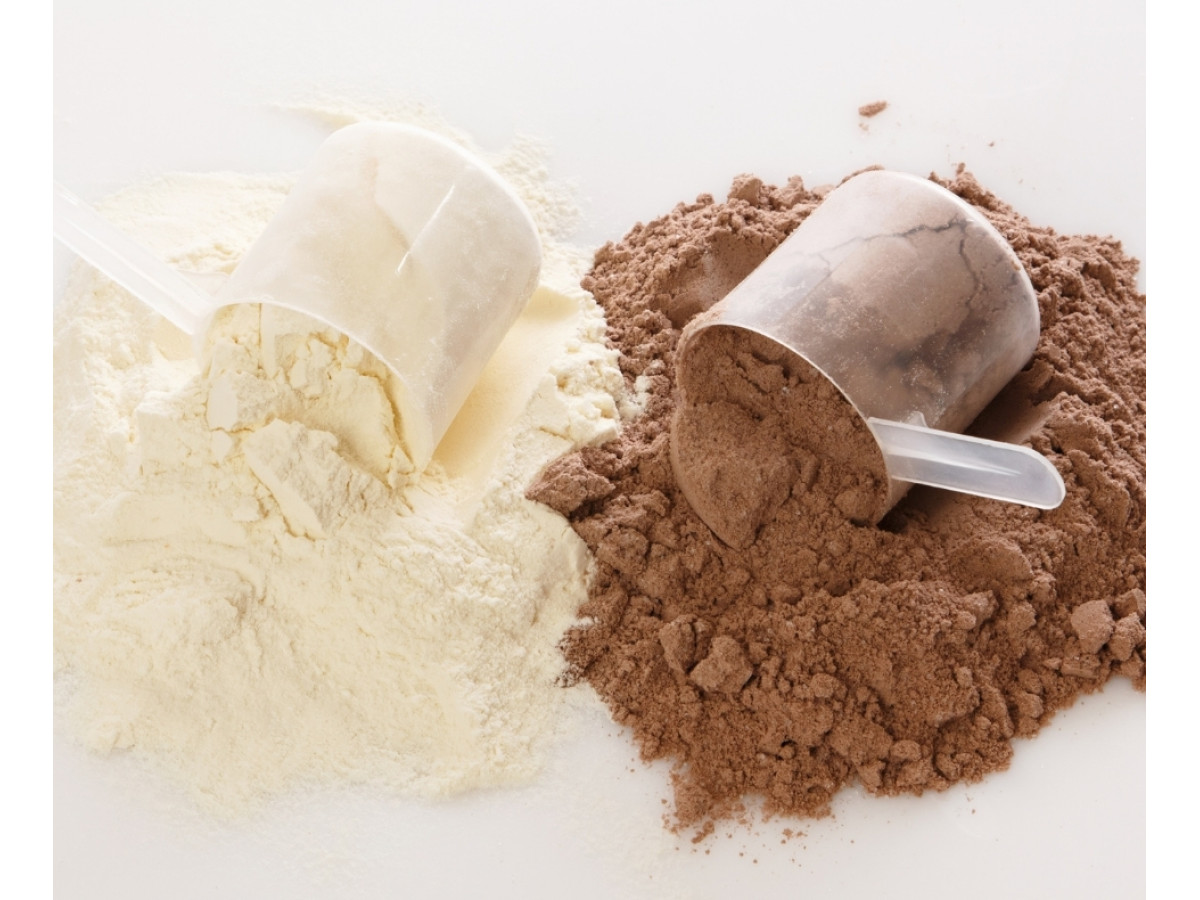
Protein is often discussed in the context of sports, but in reality it is a fundamental nutrient for everyone — regardless of physical activity level. It is essential for maintaining tissues, supporting immune function, regulating hormones, and promoting satiety. Despite this, many people do not consume enough protein in everyday life.
Why Does Everyone Need Protein?
Protein is the building material for cells and tissues. The body constantly uses amino acids to renew muscles, skin, enzymes, and hormones. In addition, protein:
-
helps maintain a feeling of fullness for longer;
-
supports stable energy levels;
-
plays a role in recovery after both physical and mental stress.
That is why protein is important not only for athletes, but also for people with sedentary jobs, busy schedules, or irregular eating patterns.
How Much Protein Do You Need Per Day?
There is no single universal number for everyone, but the basic minimum for an adult is about 0.8–1 gram of protein per kilogram of body weight per day. For people with higher workloads or active lifestyles, protein needs are higher.
In practice, the issue is often not that the requirement is too high, but that protein intake is unevenly distributed: too little at breakfast and during snacks, with most of it consumed in only one main meal.
Why Is Protein Often Underconsumed?
Modern diets often include many quick and convenient foods — cereals, pastries, sweets, and snacks. They provide energy but contain minimal protein. If main meals are irregular and snacks are mostly carbohydrate-based, a protein deficit can build up unnoticed.
This is especially relevant for:
-
people with busy schedules;
-
those who frequently eat “on the go”;
-
individuals who limit meat or animal products;
-
those who consciously reduce overall calorie intake.
How to Meet Protein Needs Daily
The most effective approach is not to “catch up” on protein in a single meal, but to distribute it throughout the day. This allows the body to use amino acids more efficiently and helps maintain stable satiety.
Protein can come from:
-
main meals (meat, fish, eggs, legumes, dairy products);
-
breakfasts and snacks;
-
functional products designed specifically to help increase protein intake conveniently.
The Role of Protein Bars and Protein Granola
Protein bars and protein granola do not replace полноценous meals, but they can significantly simplify meeting protein needs on busy days. They are especially convenient when:
-
there is no time to cook;
-
long gaps occur between meals;
-
breakfast or snacks usually consist mainly of carbohydrates.
In such cases, protein bars help add protein to the diet without complex calculations or planning. It is important to view them as a supplement, not a substitute for regular meals.
What Should You Not Expect from Protein?
Protein is not a “magic ingredient.” It does not work independently of the overall diet and cannot compensate for the absence of balanced meals. Excess protein also has no real benefit if other dietary components remain unbalanced.
The key lies in regularity and moderation.
Conclusion
Protein is an essential nutrient for everyone, yet it is often underestimated in daily life. Irregular eating, carbohydrate-heavy snacks, and lack of time can lead to falling short of daily protein needs.
Protein bars and protein granola can be convenient tools for maintaining protein balance in the diet. They do not replace meals, but they can help make nutrition more stable and predictable in real-life conditions.



Write a comment