
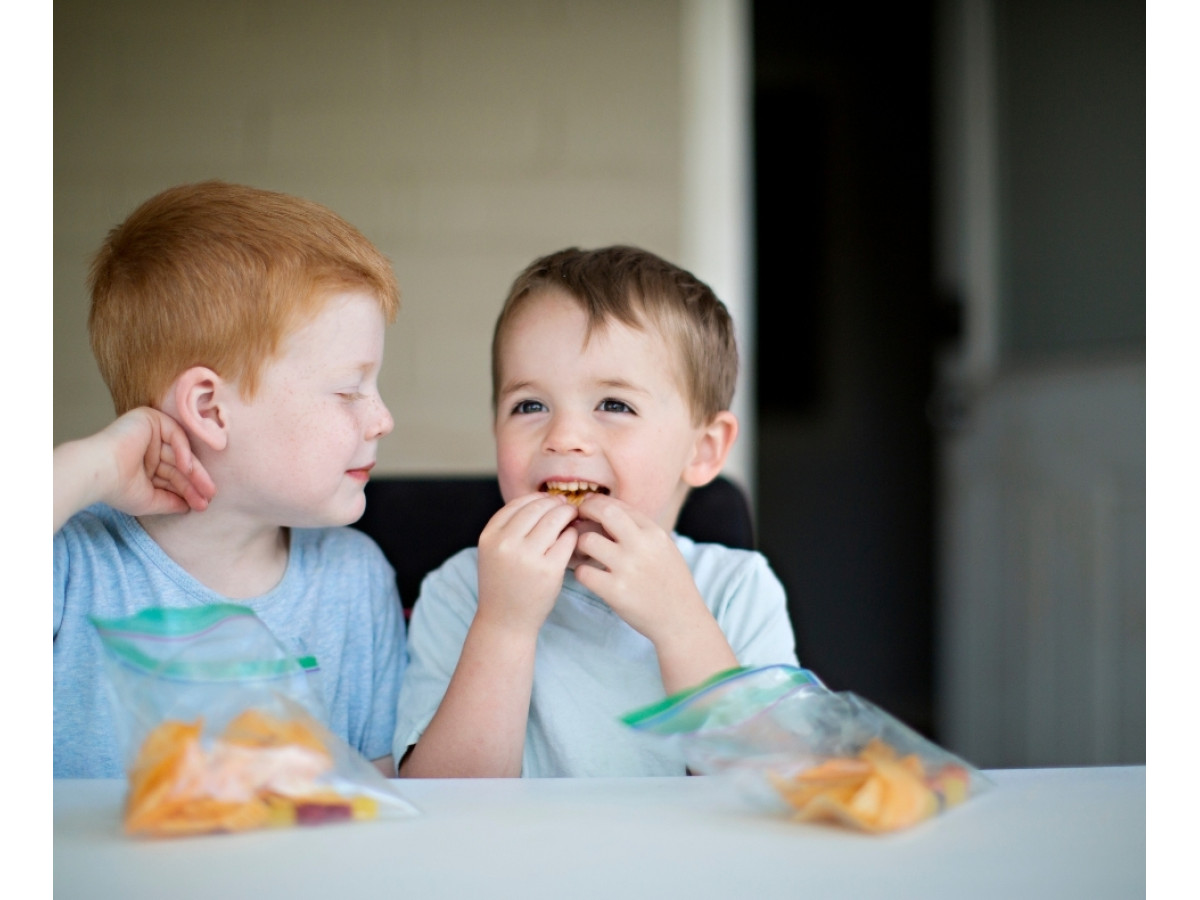
Eating habits are formed in childhood — not through strict restrictions, but through repeated daily experiences. That is why the question of snacks for children goes beyond “what to eat quickly” and becomes part of a daily routine that shapes their relationship with food in the future.
Healthy snacks do not need to be perfect or complicated. What matters is that they are predictable, nourishing, and do not create a constant dependence on overly sweet foods.
Why Are Snacks Especially Important for Children?
Children grow, move actively, and use energy quickly. As a result, hunger often appears between main meals. If a child regularly receives only sweets at that moment, they may begin to associate food primarily with quick sugar rather than nourishment.
Thoughtful snacks help:
-
maintain energy levels throughout the day;
-
prevent sharp fluctuations in appetite;
-
develop a calm and balanced attitude toward sweets without strict bans.
Parental Example as a Key Factor
One of the most important components of building healthy eating habits is the example set by adults. Children learn not from explanations, but from what they see every day. If parents regularly snack on sweets or eat “on the go” without structure, the child perceives this as normal behavior.
On the other hand, when adults:
-
have their own balanced snacks;
-
avoid labeling food as “good” or “bad,” and instead explain context;
-
choose alternative sweets without excess sugar,
the child naturally adopts this model. In this sense, snacks for children and adults are part of the same system, not separate worlds.
What Should Children’s Snacks Look Like?
A child’s snack does not need to be large, but it should fulfill its purpose — providing satiety and energy, not just sweetness.
It is beneficial when a snack includes:
-
fruits or dried fruits in moderation;
-
nuts or seeds (age-appropriate);
-
whole grains;
-
sources of fats and fiber.
Such combinations help children stay full longer and reduce the constant craving for sweets.
Alternative Sweets and Their Role
It is not necessary to completely eliminate sweets from a child’s diet. Instead, the format can be adjusted. Alternative sweets — bars, cookies, granola — can be part of a snack if they are not overloaded with added sugar and refined fats.
These products:
-
provide sweetness without excessive sugar;
-
help develop a moderate attitude toward sweets;
-
avoid sharp spikes in energy.
Snack Bars for Kids: When Are They Appropriate?
Children’s snack bars can be a convenient option:
-
at school or kindergarten;
-
during walks;
-
while traveling;
-
between extracurricular activities.
It is important to treat them not as “candy,” but as part of a snack — combined with fruit, yogurt, or nuts. In this context, a bar complements the meal rather than replacing it.
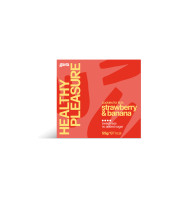
For everyday choices, it is helpful to look for children’s bars and sugar-free snacks in the kids’ category, where the focus is on simple ingredients and clear nutritional logic.
Cookies and Granola in a Child’s Diet
Cookies and granola can be included in a child’s snack if they:
-
do not contain added white sugar;
-
are grain-based;
-
are consumed in moderation.
For example, a few pieces of cookies with fruit or yogurt is a very different scenario from cookies as a standalone sweet snack.
How Are Healthy Habits Formed?
Children learn through repetition and observation. If the family maintains a clear approach to food, regular snacks, and a calm attitude toward sweets, the child accepts this as normal. Without pressure or strict prohibitions, trust in food and in personal hunger cues develops naturally.
Conclusion
Healthy snacks for children are not about creating a perfect menu, but about regularity, balance, and adult example. Bars, cookies, and granola can play a positive role in shaping eating habits when chosen consciously and used in the right context.
This approach helps children grow without extremes in nutrition and with a healthy relationship with food.
Write a comment