
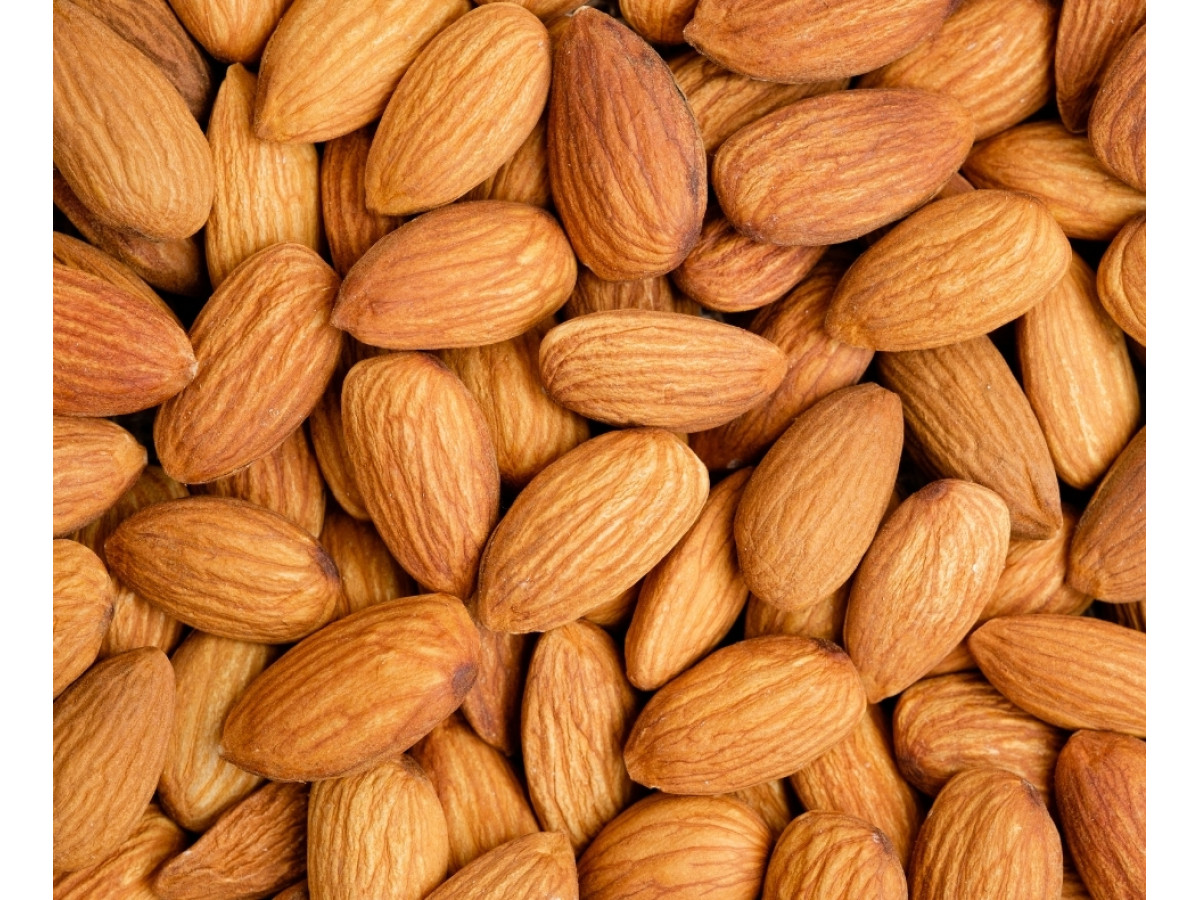
Almonds are one of the most popular nuts in the daily diet. They are valued for their taste, nutritional value, and versatility: suitable for snacks, breakfasts, and as an ingredient in both sweet and savory dishes. At the same time, almonds often raise questions — how much to eat, which form is better, and how to avoid turning a healthy product into excess.
What Are the Benefits of Almonds?
Almonds are a source of fats, protein, and fiber. This combination makes them both nutritious and filling. They fit well into snacks because they:
-
provide long-lasting satiety;
-
help prevent sharp energy fluctuations;
-
pair easily with other foods.
Almonds also contain minerals and vitamin E, making them a valuable part of a varied diet.
What Types of Almonds Are There?
Raw Almonds
Raw almonds have a mild taste and natural texture. They are often used in homemade mixes, added to granola, or eaten as a standalone snack. This is a versatile option for daily use.
Roasted Almonds
Roasted almonds have a more pronounced aroma and crunch. They are often chosen for snacks or as an addition to salads and warm dishes. It is important to pay attention to the roasting method — without excess oil and salt. Ideally, choose baked almonds without added oils or fats. All almonds in our production process are baked without adding oils or fats. This allows us to achieve crunch and rich flavor without increasing calorie content or reducing nutritional value.
Chopped and Sliced Almonds
Chopped almonds or almond flakes are convenient for baking, breakfasts, and desserts. In this form, they easily combine with other ingredients and add nutritional value to dishes.
How Many Almonds Is Appropriate?
Almonds are calorie-dense, but this is a characteristic, not a drawback. The optimal amount is a small handful at a time. In this portion, they:
-
provide good satiety;
-
do not overload the diet;
-
combine easily with fruit, yogurt, or grains.
Problems arise not because of almonds themselves, but due to uncontrolled portions.
How to Include Almonds in Everyday Life
Almonds are convenient thanks to their versatility. Here are several practical options:
-
as a standalone snack on the go;
-
together with fruit for a more balanced snack;
-
as part of granola or porridge;
-
as an addition to salads or dishes;
-
combined with dried fruits in small quantities.
In this format, almonds function as part of a structured eating pattern rather than a random snack.
Almonds and Body Weight: What to Know
Almonds themselves do not “harm your figure.” On the contrary, thanks to their combination of fats and protein, they can help better control appetite. The decisive factors remain quantity and context.
If almonds:
-
replace sweets;
-
are included in snacks;
-
are combined with other foods,
they fit naturally into a balanced diet. If eaten in large portions without considering total calorie intake, the effect will be different.
How to Choose Quality Almonds
When choosing almonds, pay attention to:
-
the integrity of the nuts;
-
absence of off-odors;
-
minimal processing;
-
a clear ingredient list without unnecessary additives.
For daily use, it is convenient to choose almonds from the nuts category, where different formats are available — for snacks, breakfasts, and cooking.
Summary
Almonds are a nutritious and versatile product that easily fits into a daily diet. Their benefit depends not only on the product itself, but on the right quantity and context.
When almonds are used as part of a balanced snack or meal, they support satiety, energy, and dietary variety — without extremes or myths.

Write a comment